
Watching old movies I never knew whether to laugh or cry when German soldiers appeared speaking English even amongst each other. Was the viewer deemed to dumb to realise that this doesn’t make any sense? A film almost entirely in German on UK tv was a big step when Deutschland 83 started, but having it introduced in (some kind of) German is really sensational. Herzlichen Glückwunsch! Let’s hope it’ll make German more popular again in the UK.
Author: Andreas Wolff
Je Suis Paris
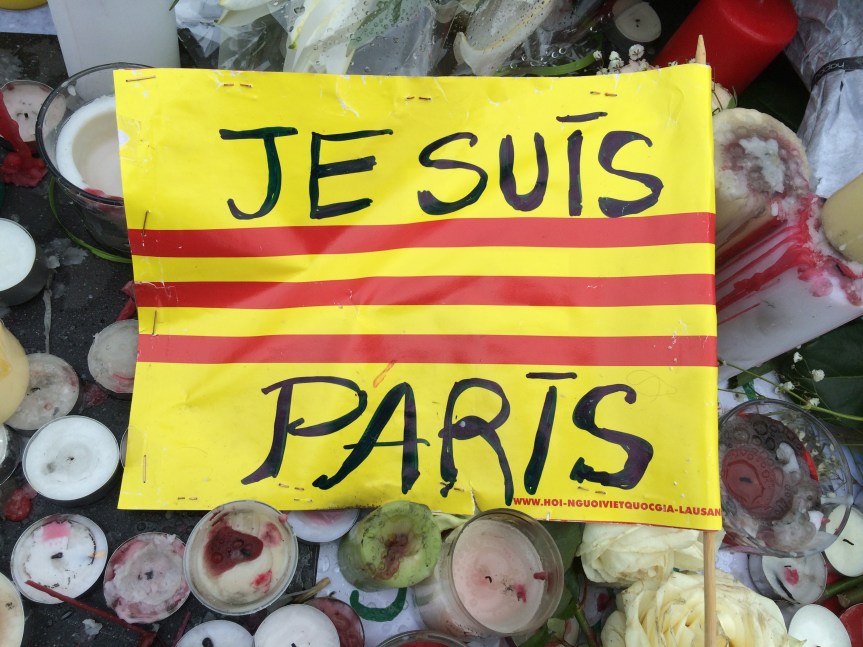
Despite being used to horrible news I felt the Paris attacks affected me personally. I was in London at the time and Paris was only a couple of hours away on the train. They way the terrorists shot indiscriminately at people sitting outside in restaurants sent a clear message: Be afraid wherever you are! As a journalist I went to Paris.
Police and army were seen at every street corner and sirens were heard almost constantly. Continue reading “Je Suis Paris”
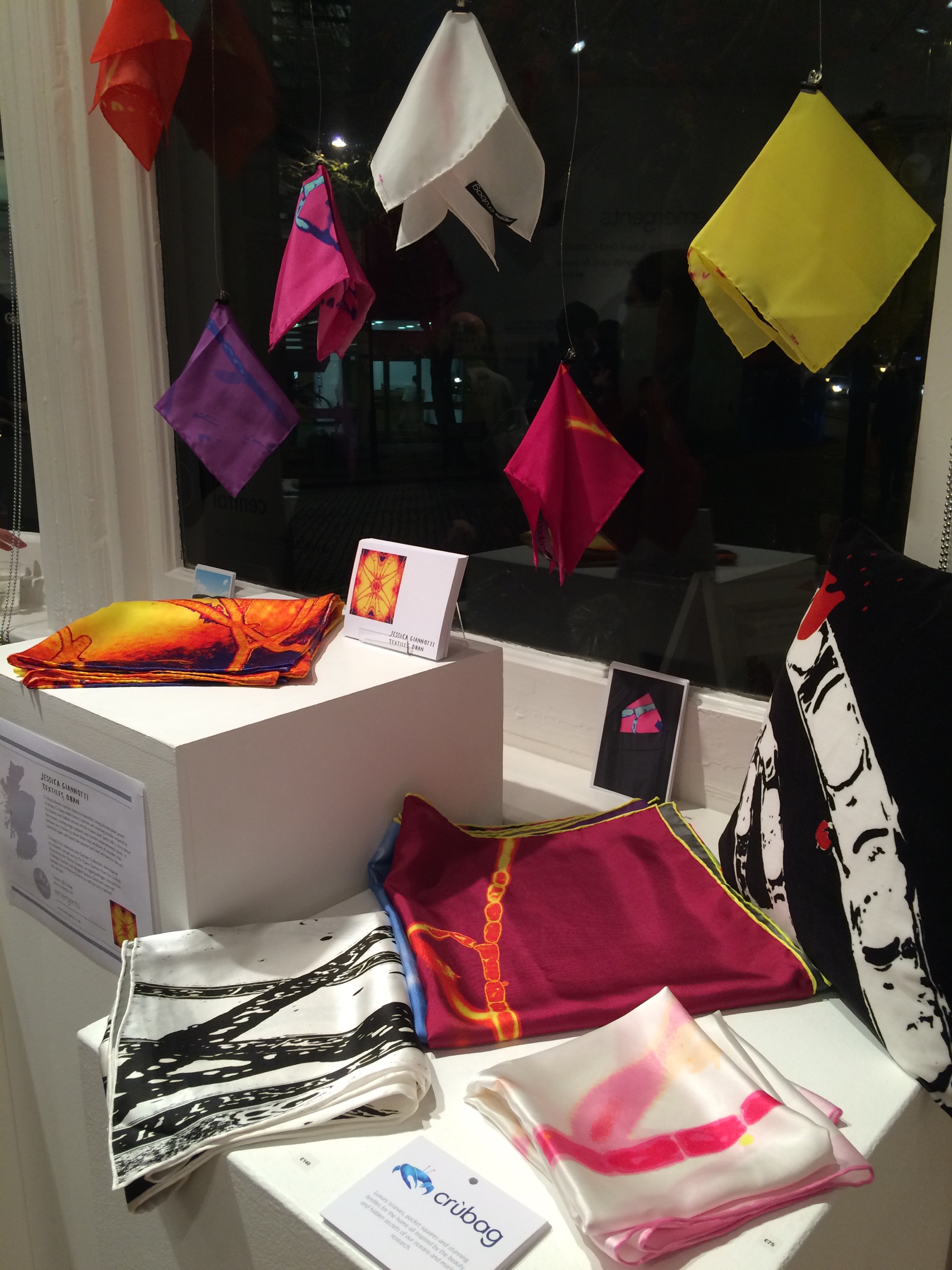
Highland craft makers exhibit in London
Beautiful Highland designed produce is on display at Craft Central in London this week. One of the stars of the show is Argyll based Crùbag. They show the beauty of patterns from the sea on textiles.
Snorkelling Drama in the Hebrides with a happy end – a very special experience
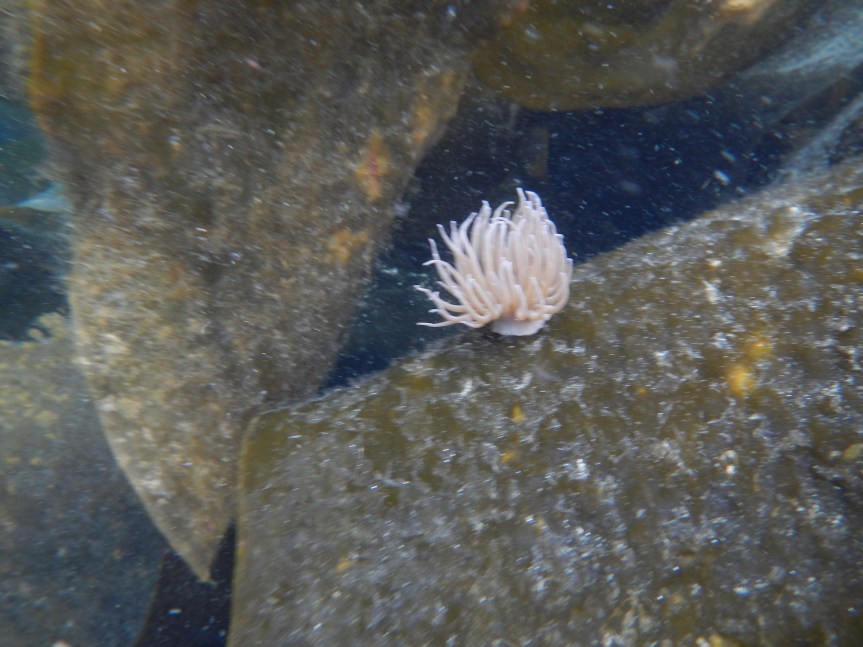
It’s one of those experiences making you feeling really happy and wonder at the beauty of the world.
Community based development in Cambodia – The Power of Volunteering
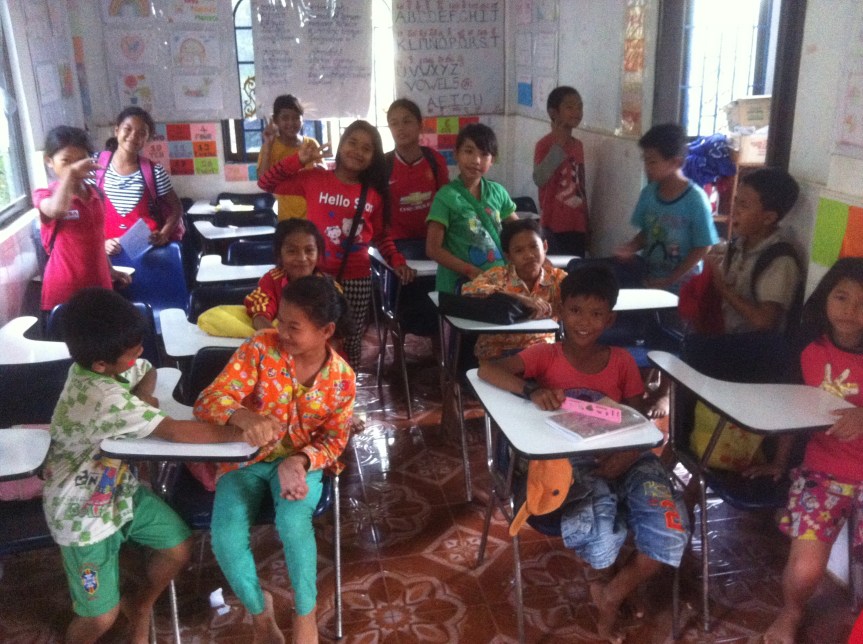
Some analysts argue that development aid isn’t working and should be stopped. Small community based projects definitely do work though as I found out while volunteering in Cambodia.
Fundraising Campaign Countdown
Thanks very much to the recent anonymous donor to my indiegogo campaign! Your £25 are really appreciated. If you’d like me to send you the DVD and postcard, please let me know your details. Everyone else please go and check out the perks including a Cambodian postcard (might be posted from UK) and a Cambodian gift. The countdown is on with only 4 days left until the campaign closes: http://igg.me/at/cambodiafilm.
On Wednesday our group of volunteers will be getting a crash course at Edinburgh Napier University in how to teach English. The uni’s marketing department have said they are interested in contributing to my fundraising campaign as well. Really excited about that.
Otherwise preparations are going well with my first round of vaccinations done and the second one due on Tuesday. Spent £189 in the drugstore the other day. A new passport is hopefully on its way after I managed to convince the German authorities that I wasn’t living in Germany anymore. Not even 6 weeks to go until we take off!!!
Providing A Sense of Aspiration for Children in Cambodia
Interview with Mr Malhotra, CEO of the Future Sense Foundation, about the difference volunteering with children in Cambodia makes: “We focus on education, livelihood and child welfare. The volunteers who go out make a real difference in terms of providing the children a sense of aspiration, a sense of purpose, a perspective of the world beyond theirs…
Cambodia Cake Sale Success

Thanks to everyone who baked and contributed! We raised £218.60 and 10 cents :-). We will also collect items for Cambodian children which we will take with us.
Cambodia Volunteering
Cambodia is still recovering from the aftermath of the rule of the Khmer Rouge which left 1/4 (yes, that’s one quarter) of the population dead. 30% of the people live below the national poverty line. Together with a group of students of Edinburgh Napier University we will go out to Cambodia in July to work with some of the poorest communities there. The trip is organised by the Future Sense Foundation, which has a track record in the region.
I will also produce a short film about the impact of the project on the people we are helping as well as on the students who are giving up their holidays to work for them. My film will pay for my travel costs, but as part of our efforts we have to fundraise for the communities we will work in. Some additional production costs will also have to be covered. Please give generously to my indiegogo campaign. Thank you.
Argyll, Schottland: Top Reiseziel nicht nur für 007 – ein persönlicher Reisebericht
Schottland wurde in 2013 von der CNN zur Touristendestination Nr. 1 erkoren, wohl in erster Linie auf dem neuesten James Bond Film “Skyfall” basierend, der z.T. in Glencoe in Argyll gedreht wurde. Mich hat Schottland seit meinem vierzehnten Lebensjahr in seinen Bann gezogen, und vor zehn Jahren habe ich dann den Schritt gewagt, meine Heimat Berlin zu verlassen und dorthin auszuwandern um gälische Sprache zu studieren. Gerade als ich mein Studium abschloss, eröffnete der erste gälische Fernsehsender, BBC ALBA. Bei dem bin ich jetzt als Korrespondent und Videojournalist in der Region Argyll tätig. Als Ein-Mann-Team mache ich Reportagen für Radio, Fernsehen und Internet vom Finden der Story über Filmen bis hin zum Schnitt.
Gälisch ist eine keltische Sprache und sie wurde einst auch von König Macbeth gesprochen, bekannt geworden durch Shakespeares gleichnamiges Stück, und William Wallace. Letzterer wurde in “Braveheart” von Mel Gibson gespielt, und er schreit in dem Film auch pflichtgemäß auf Gälisch: “Alba gu brath” [sprich: Àlapa gu braah] – “Scotland forever,” als er auf die Engländer losstürmt. Heute sprechen nur noch ca. 60.000 Menschen Gälisch, aber die Sprache wird von der schottischen Regierung wieder gefördert.
Die Region ‘Argyll and Bute’ an der Westküste hat 26 bewohnte Inseln. Eine Dienstreise ist mir bis heute besonders in Erinnerung geblieben. Meine Frau hatte mich liebenswerterweise nach Tayvallich gebracht, einem kleinen Dorf etwa eine Stunde südlich von Oban. Von dort aus bestieg ich die Passagierfähre – ein kleines Speedboat – auf die Insel Jura. Jura ist doppelt so groß wie die deutsche Insel Fehmarn, hat aber nur ca. 180 Einwohner; es existiert ein Hotel, ein Laden und eine Whiskydestillerie. Meine erste Reportage befasste sich mit eben dieser Passagierfähre, die erst vor kurzem ihren Betrieb aufgenommen hatte und deren Finanzierung in Zeiten knapper Kassen ungewiss war. Inzwischen scheint ihre Zukunft aber erst einmal gesichert (zumindest in den Sommermonaten). Nach einem Interview in dem Inselhauptdorf Craighouse, einem paar sehr kurzen Aufnahmen zwischen zwei Platzregen und einem “dram” in der Isle of Jura Destillerie ging es mit dem Bus weiter zur, auf der Südseite anlegenden, Fähre auf die Isle of Islay.

Bei der nur wenige Minuten dauernden Űberfahrt nach Islay wird klar, warum die Meerenge ausgewählt wurde für Turbinen, die auf dem Meeresgrund Energie erzeugen sollen: Die Strömung ist so stark, dass die kleine Fähre Mühe hat dagegen anzuhalten. Auf Jura ist die gälische Sprache inzwischen ausgestorben (systematische Unterdrückung der Sprache und Kultur über Jahrhunderte haben Wirkung gezeigt), aber auf Islay ist sie noch lebendig. Von hier berichte ich über ein Projekt, bei dem von der älteren Bevölkerung Ortsnamen dokumentiert werden sollen. Sobald sie sterben, gingen diese sonst verloren. Ich finde das sehr interessant, habe ich doch selber einmal auf der Isle of Skye, wo ich damals auf das gälische College, Sabhal Mòr Ostaig, ging, ein ähnliches Projekt durchgeführt. Islay ist noch größer als Jura, hat 3000 Einwohner und acht Whiskydestillerien. Es geht hier trotzdem sehr familiär zu. Alle Autofahrer grüßen sich, und in der Pension “Bowmore House” bin ich mehr Freund der Familie, denn zahlender Kunde. Einen Zimmerschlüssel bekommt man hier nicht, man ist entre nous.
Am nächsten Tag geht es mit dem Flieger zur Insel Colonsay. Im Flughafengebäude weiβ zunaechst niemand, wo der Check In nach Colonsay ist. Nach zehn Minuten kommt die Angestellte zurueck, und ich erfahre, dass das Einchecken in einer Baracke am Ende des Flugfeldes stattfindet. Etwas irritiert nehme ich dort alleine Platz und höre auch kurz darauf Motorengeräusche. Aus einem Propellerflugzeug steigen drei Personen. Ich denke nun, in Kürze käme jemand, um mich abzuholen, stattdessen gehen die Motoren wieder an. Nur durch wildes Gestikulieren kann ich vermeiden, dass das Flugzeug ohne mich abfliegt.
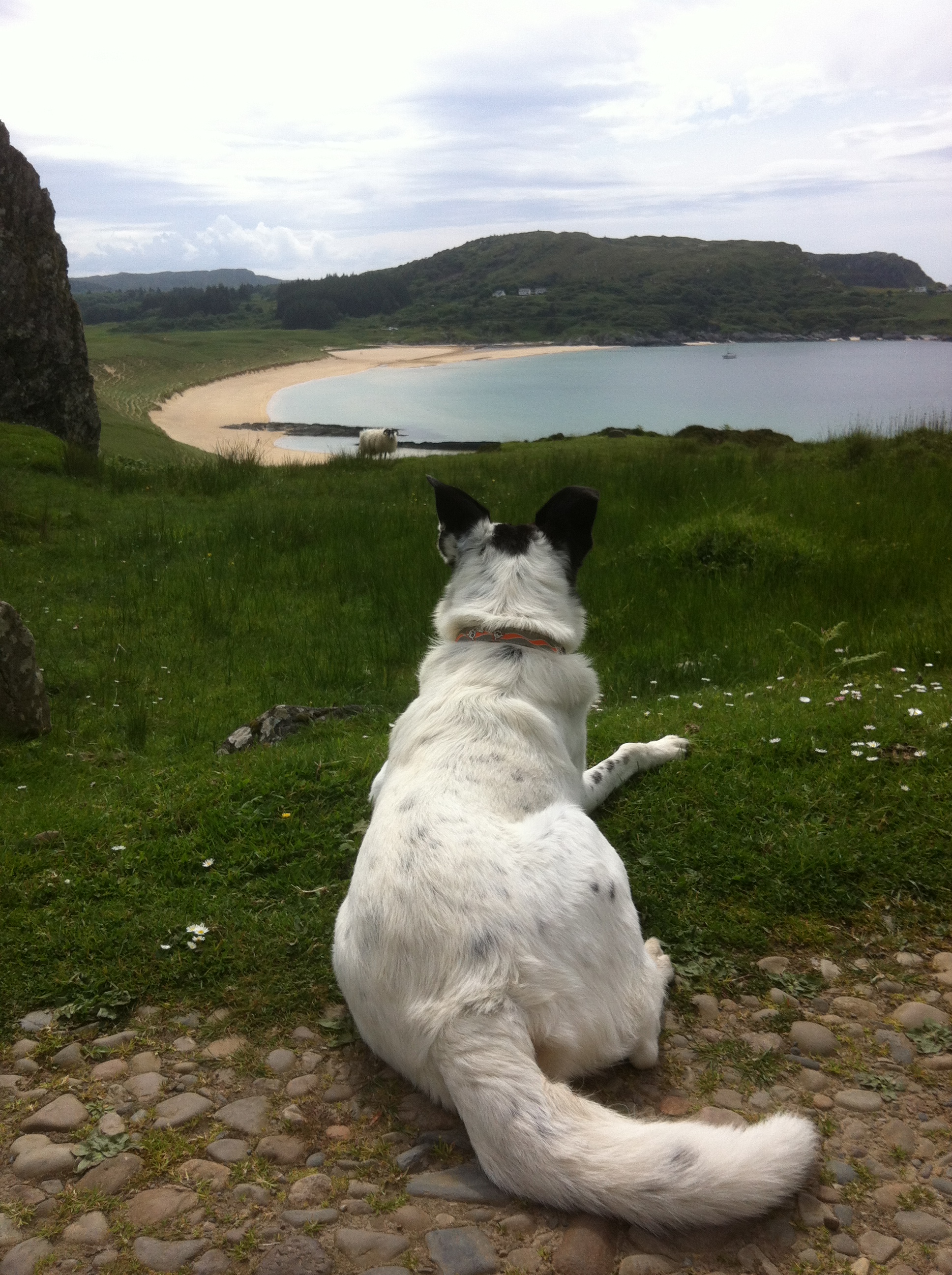
Die Insel Colonsay hat nur ca. 100 Einwohner, von denen einige ältere Menschen noch Gälisch sprechen. Aus dem Flugzeug bewundere ich die vielen schönen Strände. Am Flugplatz bitte ich, den Angestellten, mir ein Taxi zu rufen, woraufhin ich nur ein Lächeln ernte: Es gäbe keines. Aber nach einem kurzen Moment des Schocks meint er, er schließe sowieso gleich wieder, sobald das Flugzeug wieder weg sei, und könne mich dann mitnehmen zum Colonsay Hotel, einem charmanten kleinen Landhaushotel. Von hier berichte ich über ein Festival, dass dort zum ersten Mal stattfindet.

Die Rückkehr nach Oban geht per Schiff. Normalerweise nehme ich immer mein Auto mit, da das die Arbeit auf den Inseln sehr erleichtert. Eine Kollegin besorgt dann die Fahrkarten für mich. Diesmal war ich ja aber zu Fuß unterwegs, und eine Reservierung ist für Fuβgänger nicht nötig. Colonsay hat einen sehr langen Fähranleger. Ich laufe also mit meinen vier Gepäckstücken (Reisetasche, Kamera, Stativ und Laptop) hinaus zur Fähre, wo ich freundlich nach meiner Fahrkarte gefragt werde. Da fällt mir siedend heiß ein, dass ich keine habe, woraufhin ich einfach durchgewunken werde. Auf der drei-stündigen Rückreise nach Oban scheint erstaunlicherweise die Sonne, als wir an unzähligen kleinen Hebrideninseln vorbeifahren und ich mir einen Sonnenbrand einfange.
 Andreas G. Wolff, MA (International Journalism)